
Can luck really influence your success at the casino?
The Role of Luck in Gambling
Luck is often described as a mysterious force that seems to play a pivotal role in determining outcomes, especially in gambling scenarios such as casinos. When players enter a casino, they bring their hopes and dreams, often coupled with the belief that a stroke of luck will lead them to financial gains, and many enjoy playing online pokies australia payid for that thrill. However, luck is not just a whimsical notion but a psychological concept that can impact a player’s mindset and decision-making abilities. The perception of luck can influence how players interact with games, choose their strategies, and ultimately, how successful they feel.
Moreover, the variance of luck can fluctuate during different casino games. In slot machines, for instance, the element of chance plays a critical role, as players are entirely dependent on random number generators to define their gameplay experience. Conversely, in games like poker, skill plays a significant role alongside luck, as the ability to read opponents and bluff can provide an edge. This duality of luck and skill is especially intriguing in games that are tightly intertwined, showcasing how both aspects can lead to varied player experiences.
Ultimately, while luck influences individual outcomes, it is essential to recognize that the casino environment is designed to balance probabilities favorably toward the house over time. Understanding the fine line between skill and luck can help players foster a more balanced approach to gambling, leading them to make smarter choices rather than relying solely on fate to dictate their success. This balance is critical as players navigate the unpredictable waters of chance and strategy.
The Psychology of Gambling and Luck
The psychology behind gambling is complex and deeply rooted in human behavior. Beliefs about luck can significantly shape a player’s experience and their approach to risk-taking. Many players attribute their wins and losses to luck, often leading them to develop superstitions or rituals they believe will enhance their chances. For instance, players might wear lucky clothing or insist on playing specific machines that they have had success with in the past. Such behaviors highlight the intertwining of psychological factors and the notion of luck.
Additionally, cognitive biases can further complicate how players assess their fortunes at the casino. For example, the illusion of control is a common bias wherein players believe they can influence the outcome of a game through their actions. This belief can bolster their confidence but can also lead to increased risk-taking behaviors. When players perceive themselves as “lucky,” they may continue to gamble, even when the odds are against them, ultimately allowing chance to dictate their fate more than strategy.

In this context, casinos often capitalize on the psychological aspects of luck to enhance the gambling experience. Colorful lights, engaging sounds, and enticing layouts create an atmosphere that celebrates winning, whether based on luck or skill. The reinforcement of positive outcomes, even if momentarily, can maintain a player’s engagement, creating a cycle of thrill and anticipation that keeps them returning, regardless of long-term success. This environment can create an almost euphoric experience that masks the reality of gambling odds.
Luck vs. Skill: Finding the Balance
In the gambling world, the debate between luck and skill is ongoing. For games like roulette and slots, luck indeed reigns supreme. The outcomes are determined purely by chance, with players having little or no control over the results. This randomness can be exhilarating, as even those without much experience can hit a jackpot. Nonetheless, understanding the odds and knowing when to walk away are critical for long-term success, as repeated plays can diminish one’s bankroll due to the house edge. Players must be aware that while they might occasionally win, the odds are structured to favor the establishment.
Conversely, in skill-based games such as blackjack and poker, the player’s ability to make strategic decisions becomes crucial. Knowledge of probability, game theory, and human psychology often determines success in these games. Skilled players can mitigate the element of luck by employing strategies that maximize their chances of winning. Therefore, while luck may ultimately affect individual hands or spins, skilled players can create opportunities that lessen the house’s advantage, emphasizing the importance of honing one’s abilities. This is where the distinction between casual players and seasoned gamblers becomes evident.
Finding the right balance between luck and skill can enhance a player’s experience and financial outcomes at casinos. It is vital for gamblers to approach their favorite games with a clear understanding of both elements. A prudent mix of good strategies and the acceptance of luck’s fickle nature can lead to a more enjoyable and sustainable gambling experience, allowing players to navigate the demands of chance while harnessing their skills effectively. This balanced approach not only improves the chances of winning but also enriches the overall gaming experience.
The Casino Environment: Luck and Chance
The architecture and design of a casino mimic the very essence of luck and chance. The bright, inviting lights and cheerful sounds are strategically employed to create an engaging atmosphere that keeps players feeling lucky despite the reality of odds. Each game table, slot machine, and card deck is meticulously arranged to optimize player interaction and enhance the overall experience. This design encourages players to embrace the thrill of uncertainty, reinforcing the allure of luck as a central theme in casinos. Such an environment fosters a sense of excitement that can overshadow the mathematical realities of gambling.
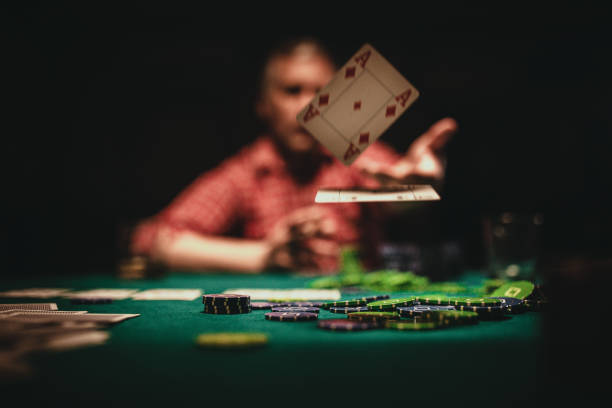
Furthermore, casinos often offer promotions, bonuses, and jackpots that elevate the notion of luck. These incentives can encourage players to try their hand at various games, reinforcing the belief that anyone can win big. Yet, it is crucial for players to remember that while these opportunities can lead to substantial payouts, the majority of players will, on average, lose more than they win over time. Understanding this truth can help maintain a healthy perspective on luck’s role in the casino environment. Players must remain vigilant and grounded in reality, despite the enticing atmosphere.
The social dynamics within a casino also contribute to the overall perception of luck. Observing fellow players succeed can create an exhilarating atmosphere; it can instill a sense of hope and excitement that one might experience a similar fortune. The notion of shared luck can enhance the camaraderie among gamblers, making even small wins feel monumental. This collective experience adds layers to the relationship between success, luck, and the casino experience as a whole. The interactions and shared moments can cultivate a sense of community, making every visit to the casino more than just a solitary gamble.
Understanding Gambling Responsibly
While luck can seem to play a significant role in a player’s success at the casino, understanding responsible gambling practices is essential. Emphasizing the importance of setting limits can help prevent players from getting swept away by the allure of sudden fortune. It is crucial to recognize that, although luck can influence individual outcomes, it is not a reliable strategy for long-term success. By setting budgets and knowing when to quit, players can enjoy their time in casinos while minimizing the risk of significant losses. This mindset is vital for maintaining a healthy relationship with gambling.
Moreover, educating oneself about the various games, strategies, and odds can foster a sense of empowerment. Familiarity with the rules and mechanics can enhance confidence and decision-making, further bridging the gap between luck and skill. Understanding how to read situations and recognizing when to take risks can lead to more informed choices, giving players a better chance of enjoying their gambling experiences without placing undue reliance on luck. Knowledge can transform the gaming experience from mere chance into a calculated endeavor.
At the end of the day, recognizing that luck is merely one piece of the puzzle is paramount. While it can lead to thrilling moments and unexpected wins, players ought to cultivate a balanced approach that celebrates both the excitement of chance and the value of learning and skill development. By adopting responsible gambling practices, individuals can create a more enjoyable and sustainable gambling journey. This balanced perspective allows players to appreciate the thrill of the game while managing their expectations and outcomes effectively.